
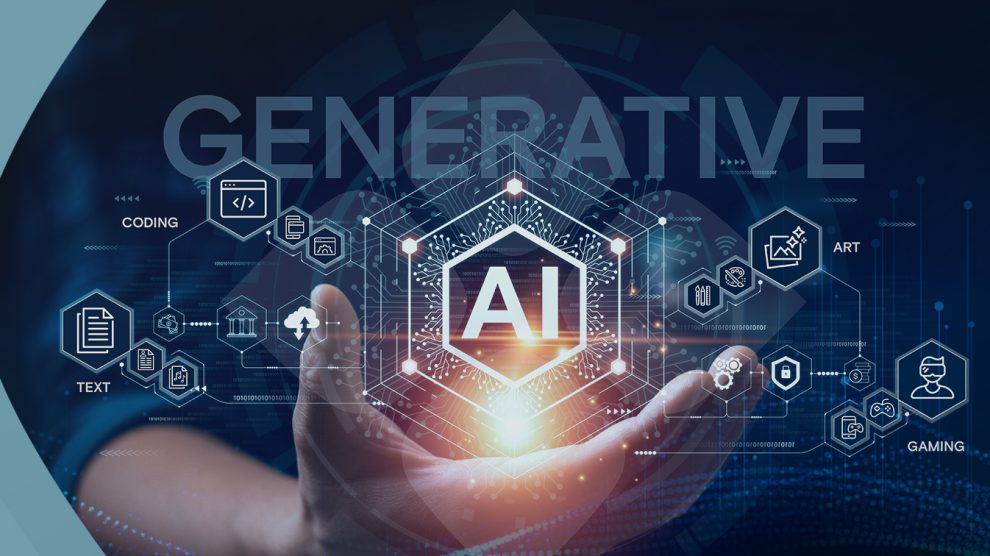

Generative AI has surged in relevance with the increasing adoption of tools like ChatGPT and DALL-E. These technologies are revolutionizing the way businesses approach communication, creativity, and automation, making AI-powered solutions an indispensable part of digital transformation strategies.
Whether viewed as a groundbreaking innovation or a disruptive force, generative AI’s impact is undeniable. As industries adapt, understanding how AI generates content, its current use cases, and what the future holds is critical for business leaders and innovators.
What Makes Generative AI Unique?
Unlike traditional AI systems designed for rule-based automation, generative AI creates original content based on learned patterns. By analyzing vast amounts of text, images, and structured data, GenAI tools can generate human-like responses, realistic images, and even original code snippets.
- ChatGPT: A powerful language model that processes and generates text with near-human fluency, assisting in tasks such as drafting emails, answering complex questions, and writing reports.
- DALL-E: An AI-driven image generator capable of producing digital artwork in various styles, from photorealistic portraits to abstract concepts.
While these tools enhance efficiency and creativity, they also raise ethical and practical concerns regarding originality, copyright, and AI’s role in human decision-making.
Current Business Applications of Generative AI
The capabilities of generative AI extend far beyond novelty and experimentation. Leading industries are already integrating these tools to optimize workflows and drive innovation.
- Enterprise Communication & Documentation: AI-driven platforms help businesses generate professional reports, draft legal agreements, and automate routine correspondence.
- Marketing & Branding: Companies use AI to create ad copy, develop personalized content strategies, and refine SEO-driven blog writing to maximize audience engagement.
- E-Commerce & Retail: AI-powered recommendation engines analyze customer behavior to provide tailored shopping experiences and predictive product suggestions.
- Software Development & Cybersecurity: AI is being leveraged to automate coding processes, detect vulnerabilities in systems, and improve software quality assurance.
Future Trends and the Road Ahead
As AI models evolve, their applications will continue to expand across industries, creating new opportunities and challenges. Key areas of focus include:
- AI-Augmented Creativity: Generative AI is expected to play a larger role in design, filmmaking, and music production, enabling artists to explore new creative dimensions.
- Advanced AI-Powered Analytics: Businesses will increasingly rely on AI-driven data analysis to forecast market trends, enhance decision-making, and optimize operations.
- Ethical & Regulatory Frameworks: As AI adoption grows, organizations and policymakers will work to establish ethical guidelines for responsible AI use, addressing concerns around bias, misinformation, and intellectual property rights.
Generative AI represents a transformative shift in how businesses operate, innovate, and engage with customers. While the technology’s rapid advancement presents challenges, its ability to enhance productivity and unlock new creative potential positions it as a driving force in the digital economy.