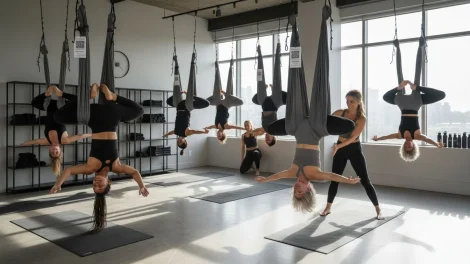


Fitness technology has changed how people train, but it has not replaced the need for good coaching and structure. Instead, it has enhanced it. When combined with guided workout classes, technology helps people train with more awareness, better pacing, and fewer setbacks. For busy individuals in Singapore who want results without overthinking every session, smart use of tech can turn regular classes into a long-term, sustainable fitness system.
Technology does not need to be complex or expensive to be effective. Even simple tools can improve consistency, recovery, and confidence when used correctly within a structured class environment.
Why data matters in group training
Many people rely purely on how tired they feel to judge a workout. While effort matters, it is not always a reliable indicator of progress or recovery.
Perceived effort versus actual effort
Some days feel harder even though performance is stable. On other days, workouts feel easy despite high output. Factors like sleep, hydration, stress, and temperature influence perception.
Technology helps by:
-
Showing trends instead of one-off feelings
-
Highlighting recovery needs
-
Preventing unnecessary overtraining
This is especially useful in group classes where intensity varies.
Awareness leads to better decisions
When you understand how your body responds, you are more likely to scale movements appropriately, choose the right class intensity, and recover well.
Wearables and what they really tell you
Wearables are popular, but many people misuse or misunderstand the data.
Heart rate tracking in classes
Heart rate monitoring is one of the most useful tools for class-based training.
It helps you:
-
Identify how hard you are actually working
-
Understand recovery between intervals
-
Avoid spending every session at maximum effort
Different class types naturally create different heart rate responses. Conditioning sessions raise heart rate more consistently, while strength-based classes show peaks during effort and drops during rest.
Resting heart rate and recovery trends
Tracking resting heart rate over time can reveal recovery status.
Useful patterns include:
-
Gradual decrease over weeks, indicating improved fitness
-
Sudden increases, often linked to stress or poor sleep
-
Stable patterns, suggesting good recovery balance
This information helps you decide when to push and when to back off.
Using technology to pace yourself in classes
Pacing is one of the biggest challenges in group training.
Why pacing matters more than intensity
Starting too hard often leads to poor form, early fatigue, and reduced benefit.
Technology supports pacing by:
-
Showing real-time heart rate
-
Helping you stay within target zones
-
Encouraging consistent effort across rounds
Better pacing leads to stronger finishes and faster recovery.
Learning your personal zones
Generic intensity guidelines are useful, but personal data is better.
Over time, you learn:
-
Which heart rate ranges feel sustainable
-
How quickly you recover between efforts
-
When intensity becomes counterproductive
This knowledge makes classes more productive without making them easier.
Tracking progress without obsession
One common fear is becoming too focused on numbers. Used correctly, technology reduces anxiety rather than increases it.
Fewer metrics, better results
You do not need to track everything.
The most useful metrics for class participants are:
-
Attendance consistency
-
One performance indicator per class type
-
General recovery markers
Ignoring unnecessary data prevents overload.
Trends matter more than daily readings
Daily fluctuations are normal. Weekly or monthly trends reveal real progress.
Signs of improvement include:
-
Lower heart rate at the same workload
-
Faster recovery after intervals
-
Improved performance with similar effort
Technology and injury prevention
One of the biggest benefits of tech in classes is early warning.
Spotting fatigue before injury
Subtle signs often appear before pain.
These include:
-
Elevated resting heart rate
-
Declining performance despite effort
-
Poor sleep and mood
Recognising these patterns early allows adjustments before injuries develop.
Supporting smarter scaling
When data shows fatigue, choosing lower intensity or mobility-focused classes becomes a proactive decision, not a setback.
This approach keeps training consistent rather than interrupted.
Scheduling tools that support consistency
Consistency drives results more than any single workout.
Reducing friction through planning
Digital schedules and reminders reduce missed sessions.
Benefits include:
-
Clear weekly structure
-
Reduced decision fatigue
-
Better habit formation
Seeing your week visually often makes fitness feel manageable rather than overwhelming.
Planning around energy, not just time
Technology helps you notice patterns in energy levels.
You may find:
-
Certain days suit high intensity better
-
Some time slots align with better sleep
-
Recovery days improve performance later in the week
Using this insight improves long-term adherence.
Using tech to balance work, stress, and training
Modern life places constant demands on attention and energy.
Stress tracking and training adjustment
Some tools estimate stress or recovery readiness.
While not perfect, they provide useful context:
-
High stress days may suit lighter classes
-
Lower stress periods allow higher effort
-
Chronic stress signals need for recovery focus
This flexibility supports both health and performance.
Mental benefits of awareness
Understanding your body reduces guilt around rest and builds confidence in training decisions.
Technology does not replace coaching
Data is only as good as how it is interpreted.
Why coaching still matters
Coaches provide:
-
Technique correction
-
Movement scaling
-
Context for data interpretation
Technology supports coaching, it does not replace it.
Combining data with guidance
The best results come when participants use data as feedback, not judgment.
This creates:
-
Better movement quality
-
More confidence during classes
-
Long-term progress without burnout
Making technology work for you, not against you
The goal is simplicity and clarity.
Practical tech habits for class participants
-
Check trends weekly, not daily
-
Use heart rate to guide effort, not ego
-
Respect recovery signals
-
Avoid comparing your data to others
Your body responds uniquely to training.
Long-term results through smarter training
Technology supports sustainability when used with intention.
Benefits include:
-
Fewer injuries
-
Better energy management
-
Clearer progress markers
-
Increased confidence in training choices
Over time, this leads to consistent results rather than short bursts of motivation.
Integrating technology into a structured class routine
Classes provide structure. Technology adds awareness.
When combined, they:
-
Reduce guesswork
-
Support recovery
-
Improve efficiency
-
Enhance confidence
If you want a structured class environment where training formats, progression, and consistency matter more than chasing numbers, you can explore options at True Fitness Singapore and use technology as a supportive tool rather than a distraction.
Real-life FAQ
Do I need a smartwatch to benefit from workout classes?
No. Many benefits come from simple awareness. A smartwatch can help, but it is not required for progress.
Why does my heart rate vary so much between classes?
Sleep, hydration, stress, and temperature all affect heart rate. Variations are normal and not always a sign of poor fitness.
Should I push harder if my heart rate seems low?
Not necessarily. Perceived effort and technique matter. Use heart rate as guidance, not a command.
Can technology help me avoid overtraining?
Yes. Monitoring trends helps identify fatigue early, allowing adjustments before burnout or injury occurs.
Is it bad if I miss tracking some sessions?
No. Consistency in training matters more than perfect tracking. Data supports habits, it does not define them.
Can tracking improve motivation?
For many people, yes. Seeing progress builds confidence. For others, focusing on attendance works better. Choose what supports you.
How often should I review my data?
Weekly or bi-weekly reviews are enough. Daily analysis often creates unnecessary stress.