
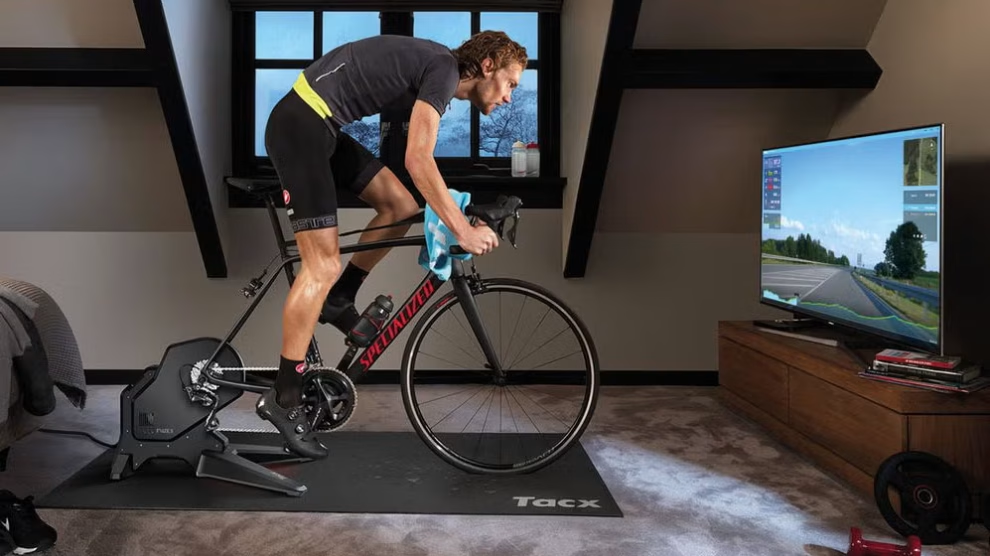

Indoor cycling has moved beyond feel based effort alone. Modern smart bikes generate detailed performance data that helps riders train with clarity instead of guesswork. For those committed to indoor cycling singapore sessions, understanding power metrics is the difference between random hard work and measurable progress. This article explains how to use watts, cadence, and personal records intelligently, without becoming obsessed with numbers or comparison.
The goal is not chasing the highest output every class, but building a system that shows real improvement over time.
Why Power Metrics Matter More Than Speed
Speed in indoor cycling is relative. Resistance settings differ across bikes, and studio environments vary. Power output measured in watts reflects the actual work your body produces, making it the most reliable indicator of performance.
Power metrics allow riders to:
-
Compare effort across different classes
-
Track improvement objectively
-
Adjust intensity based on readiness
-
Avoid undertraining or overreaching
Unlike heart rate, power responds instantly to effort, giving immediate feedback.
Understanding the Core Metrics on Smart Bikes
Smart bikes display several data points. Knowing which ones matter prevents information overload.
Watts, the Foundation Metric
Watts represent how much work you are producing at any moment. Higher watts indicate greater force applied through the pedals.
Watts help you understand:
-
How hard you are actually working
-
Whether effort matches the coach’s cue
-
If fatigue is limiting output
Tracking watts over time reveals patterns that feeling alone may miss.
Cadence and Its Relationship to Power
Cadence refers to pedal revolutions per minute. Power is influenced by both cadence and resistance.
Two riders can produce the same watts using different combinations:
-
High cadence with moderate resistance
-
Lower cadence with higher resistance
Neither is automatically better. The key is choosing combinations that suit your body and training goals.
Heart Rate as a Supporting Metric
Heart rate shows how your body responds to workload. It lags behind power but provides context.
Heart rate is useful for:
-
Identifying recovery status
-
Spotting dehydration or fatigue
-
Monitoring aerobic conditioning
Using heart rate alongside power gives a more complete picture than either alone.
Defining Personal Records That Actually Matter
Many riders chase peak watts because they look impressive. While sprint power is useful, it is not the only meaningful PR.
Types of PRs Worth Tracking
-
Peak sprint power over 10 to 15 seconds
-
Sustained power over 3 to 5 minutes
-
Average power across an entire ride
-
Power consistency across intervals
Tracking different PR types prevents tunnel vision and encourages balanced development.
How to Track Progress Without Burnout
Constantly chasing PRs creates mental and physical fatigue. Progress comes from trend analysis, not daily records.
Smarter PR Tracking Approach
-
Designate specific sessions for testing
-
Use regular training sessions for consistency
-
Compare averages across weeks, not single rides
This approach keeps motivation high while protecting recovery.
Understanding Day to Day Performance Fluctuations
Power output naturally varies. Stress, sleep, hydration, and nutrition all affect performance.
Lower output on certain days does not mean regression. It often reflects recovery needs.
Learning to interpret these fluctuations helps riders adjust effort instead of forcing numbers.
Avoiding Comparison Traps in Group Classes
Smart bikes display data, but every rider’s numbers are personal. Comparing output across individuals ignores differences in body size, training history, and recovery.
Healthy data use focuses on:
-
Personal trends
-
Effort relative to your baseline
-
How you feel during and after sessions
This mindset prevents frustration and improves long-term adherence.
Using Power Zones for Structured Training
Power zones divide effort into ranges based on your capacity. Training within zones improves efficiency and reduces guesswork.
Benefits of Zone Based Training
-
Clear intensity targets
-
Better pacing during longer rides
-
Reduced risk of overtraining
Zones guide effort without forcing riders to constantly push maximum output.
Cadence Control and Efficiency Gains
Many riders increase power by pushing heavier resistance rather than improving efficiency. Cadence training teaches smoother force application.
Benefits include:
-
Reduced joint strain
-
Improved endurance
-
Better fatigue resistance
Efficiency improvements often lead to higher sustainable power without extra stress.
Tracking PRs Across Different Ride Types
Not all rides are equal. Comparing a sprint focused class to an endurance ride is misleading.
Organise tracking by ride type:
-
Interval rides
-
Endurance rides
-
Technique focused sessions
This ensures progress is measured fairly and accurately.
Using Data Without Losing the Joy of Riding
Data should support enjoyment, not replace it. Over analysing every number can reduce motivation.
Healthy data habits include:
-
Reviewing metrics after class, not during
-
Focusing on one or two metrics per phase
-
Taking occasional data free rides
Balance keeps training enjoyable and sustainable.
Technology Integration and Simplicity
Wearables and apps can store power data, but simplicity matters. One reliable platform is better than multiple overlapping tools.
Consistency in tracking produces better insights than switching systems frequently.
Studio Support and Smart Bike Education
Studios that educate riders on data interpretation help members progress confidently. Clear cues and structured programming turn numbers into actionable insight.
Training environments such as TFX Singapore support smart bike usage by encouraging personal benchmarking rather than competition, allowing riders to grow at their own pace.
Building a Long Term Data Mindset
Progress in indoor cycling is measured over months, not days. Smart bike metrics reveal growth that the mirror may not show immediately.
When used patiently, data builds confidence and consistency.
Real-Life FAQ
What is a good watt number for indoor cycling?
There is no universal good number. Progress relative to your own baseline matters more than absolute values.
Should I try to hit a PR every class?
No. Designate testing days and allow normal sessions to focus on technique and consistency.
Why does my heart rate feel high at lower watts sometimes?
Fatigue, dehydration, stress, or lack of sleep can elevate heart rate without increased power.
Can power tracking help with fat loss?
Yes. It helps control intensity and volume, supporting consistent training which drives fat loss.
Is higher cadence always better for power?
Not always. Efficient cadence varies by rider and effort type.
What if my power drops during a class?
It may indicate fatigue or pacing issues. Adjust resistance and focus on breathing.
Do I need external apps to track progress?
Not necessarily. Many studios provide sufficient data for tracking trends.
How often should I review my metrics?
Weekly or biweekly reviews are effective without creating obsession.
Smart bike power metrics turn indoor cycling into a measurable, rewarding practice when used wisely. By focusing on trends rather than ego, riders in Singapore can build strength, endurance, and confidence with clarity and control.